
Why your website needs a design system, not just a design
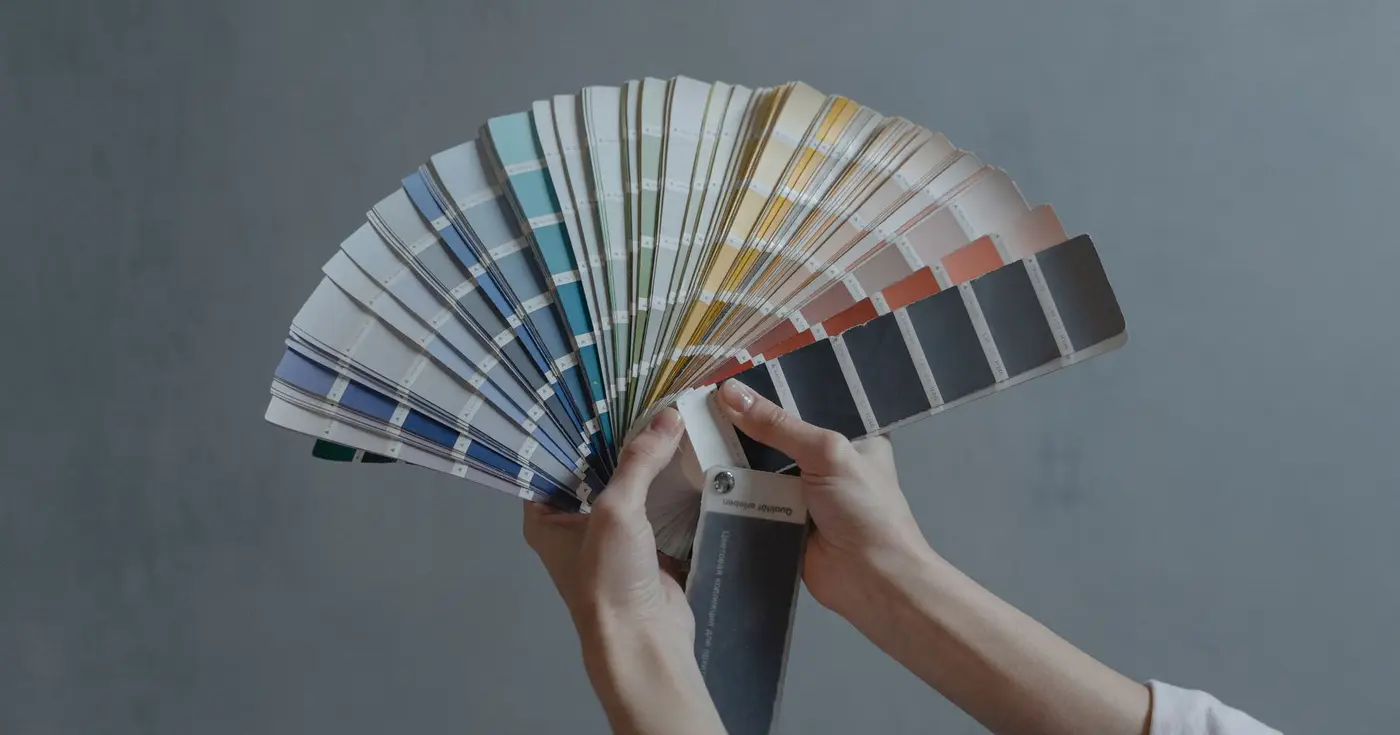
A design is a set of finished pages. A design system is the reusable set of rules behind them: colours, type, spacing, buttons, and components, documented so that every new page looks like it belongs. Without one, a website slowly drifts as people add pages, campaigns, and landing pages. With one, your brand stays consistent no matter who builds the next page, and new pages are faster to make.
How websites quietly lose their consistency
Most websites look great on launch day. Then the business grows. Marketing needs a landing page for a campaign. Sales wants a new service page. Someone adds a banner with a slightly different shade of the brand colour. A freelancer builds a form in a different font. A year later, the site feels like several companies stitched together. None of those changes was a big decision, but together they erode trust.
What a design system contains
A practical design system for a growing business includes:
- Tokens: the core values for colour, type, spacing, and corners, defined once and reused everywhere
- Components: buttons, cards, forms, navigation, and calculators built once and reused
- Patterns: how components combine for common needs, like a pricing section or a testimonial block
- Guidelines: short, clear rules on when to use what, including for Arabic and right-to-left layouts
The point is not bureaucracy. It is making the right choice the easy choice.
How we apply it on client builds
When we rebuilt the experience for Future Group, a Dubai business setup provider, we pulled their brand tokens, logo, and type stack from the live site rather than guessing, so the new calculator and pages matched the existing brand exactly. For a UAE company formation consultancy, we built a full design system and brand register, bilingual-ready from the start, so around twenty emirate and free-zone landing pages could be produced consistently. For a Dubai luxury hair brand, the system extended into a brand book that anyone creating content can follow. More detail is on our work page.
Why it pays off
Speed. New pages are assembled from existing parts instead of designed from scratch.
Consistency. Every page, campaign, and landing page looks like the same brand.
Quality. Accessibility, mobile behaviour, and performance are solved once, in the components, and inherited everywhere.
Independence. Your team, or a new agency, can extend the site without breaking it.
For businesses running frequent campaigns or several service lines, these benefits compound quickly.
Do small businesses need one?
Not a hundred-page manual. But even a small business benefits from a lightweight system: a defined palette, a type scale, a handful of components, and a one-page guide. That is enough to stop drift. It grows as you do. Our Brand Identity work includes a system sized to your business, not a template.
Frequently asked questions
Is a design system the same as brand guidelines? They overlap. Brand guidelines cover identity broadly; a design system turns that identity into reusable parts for websites and products.
Can a design system support Arabic? Yes, and it should. Right-to-left layouts, Arabic typography, and mirrored components are best planned from the start.
Do we need to rebuild our site to adopt one? Not always. A system can be introduced gradually, starting with the most-used components.
Note: benefits vary by business size, site complexity, and how often new pages are produced.
If your website is starting to drift, book a free strategy call.