
Six signs your UAE business has outgrown spreadsheets
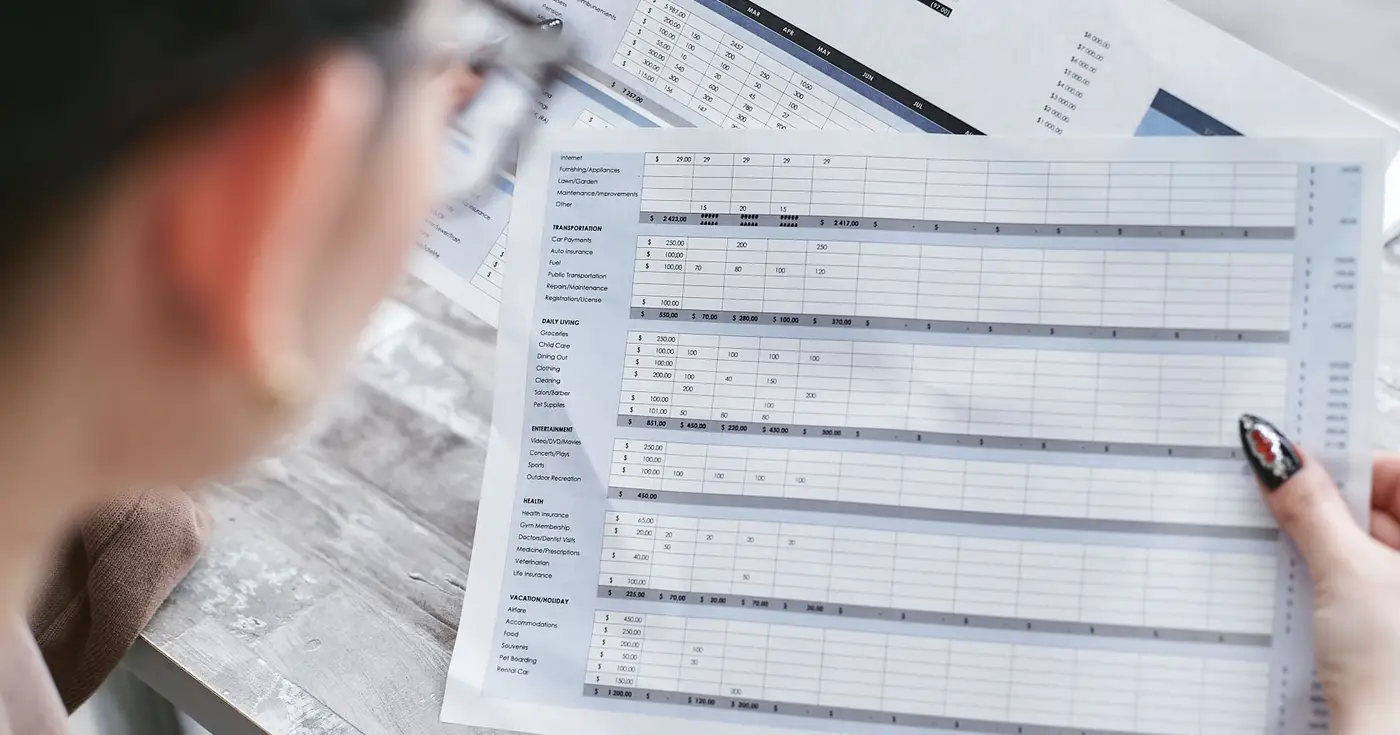
Your business has outgrown spreadsheets when the sheet stops being a record and starts being a risk: several people edit it at once, nobody trusts the numbers, and important follow-ups depend on someone remembering to check a tab. Spreadsheets are an excellent way to start. They are a poor way to run a growing team. The good news is that moving on does not have to mean a painful, expensive migration.
Spreadsheets are not the enemy
Let us be fair to the spreadsheet. It is flexible, cheap, and everyone knows how to use one. For a young business, a well-organised sheet is often the right answer, and we still build Google Sheets capture for clients where a sheet is genuinely the best tool. For Foundr AI, for example, cohort registrations write straight to Google Sheets through Apps Script, because at that stage a sheet was exactly what the team needed.
The question is not whether spreadsheets are bad. It is whether yours has quietly become the system your business depends on.
The six signs
1. More than one version exists. “Leads final”, “Leads final v2”, and a copy someone downloaded last week. Nobody is sure which is correct.
2. People are overwriting each other. A salesperson updates a status just as a colleague sorts the sheet, and a row ends up attached to the wrong customer.
3. Follow-ups depend on memory. There is a “next action” column, but nothing reminds anyone when that date arrives.
4. Reporting takes an afternoon. Every month someone builds pivot tables by hand to answer questions a system would answer instantly.
5. You cannot see who did what. When a deal goes wrong, there is no history of calls, messages, or changes.
6. Customer data is everywhere. Phone numbers and passport copies sit in a file that anyone with the link can open, which is a real concern under the UAE’s data protection law.
If three or more of these sound familiar, the spreadsheet is costing you more than a proper tool would.
How to move on without chaos
The worst way to leave spreadsheets is a big-bang switch where everything moves over one weekend. A calmer path:
- Clean the data first. Remove duplicates and fix formats while it is still in the sheet
- Pick the tool to fit the process, not the other way round
- Connect your lead sources so new data flows in automatically from day one
- Run both in parallel briefly, then retire the sheet with a clear cut-off date
- Train on the daily tasks only. People need to know the five things they do every day, not every feature
This is what our CRM and ERP Solutions team does: pick the right-sized system, move the data safely, and connect it to the rest of the business.
Why it matters for growth
A business that runs on a fragile sheet grows until the sheet breaks, and it usually breaks at the busiest moment. Moving to a connected system earlier gives you clean data, visible pipelines, and reports you can trust, which are the foundations for automation and AI later. You cannot automate what you cannot see.
Frequently asked questions
Which CRM should a small UAE business choose? It depends on your team and processes. We compared the common options in our guide to choosing a CRM in the UAE.
Can we keep using Google Sheets alongside a CRM? Yes. Many teams keep sheets for analysis while the CRM holds the live records.
How long does a migration take? For a small team with clean data, often a few weeks. Messy data and many integrations take longer.
Note: timelines and outcomes vary from business to business.
If your spreadsheet has become your system, book a free strategy call and plan the move properly.