
Google puts its first AI chips in orbit with Project Suncatcher
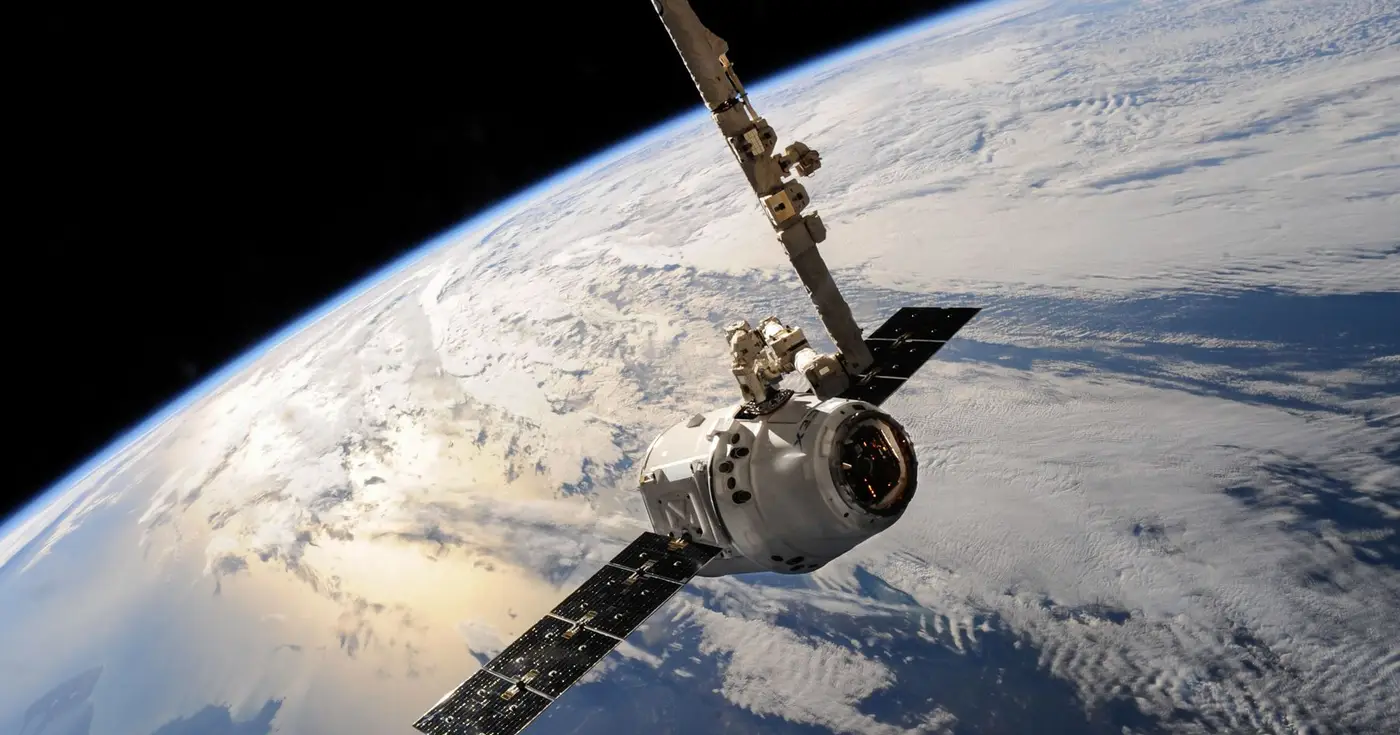
Google launched its first AI chips into orbit on 1 October 2026. A prototype satellite built with Planet and carrying four Google TPUs, the chips Google uses to train and run its Gemini models, flew on SpaceX’s Transporter-18 rideshare mission. Google says it has contact with the satellite and that it is working as expected. It is the first hardware step of Project Suncatcher, Google’s research into running AI computing in space.
What happened
Google first described Project Suncatcher as a long-term research moonshot: can machine learning infrastructure be hosted on satellites that run on near-constant sunlight? The prototype launched this week is the first test in real conditions.
According to Google and coverage of the launch:
- Four TPUs in orbit. The satellite carries four of Google’s Trillium-generation TPUs and was built in partnership with Planet, the satellite imaging company.
- Testing the hard parts. Over the coming weeks, Google will collect data on how the chips cope with radiation, the stress of launch and extreme heat and cold in space.
- Ground tests first. Before launch, Google tested the chips at the University of California, Davis under a proton beam while they ran AI workloads. They survived a dose equal to a five-year mission.
- Why space. Google’s research notes that a satellite in the right low Earth orbit can sit in almost constant sunlight and generate up to eight times more solar power than a panel on the ground.
Google’s own summary of the mission is short: “Some things can only be tested in space.”
Why it matters
Running AI takes a great deal of electricity. Suncatcher is an early, long-range bet on a different source of it: put the computing where the solar power is almost constant.
It will not change anything for businesses this year. Google calls it a research project, and the prototype only proves that the hardware reached orbit and responds. But it shows how seriously the largest AI companies take the cost and energy of computing. Those costs flow straight into what every business pays to use AI models.
What it means for UAE businesses
The practical lesson is about cost, not space:
- AI prices keep moving. The cost of running a model depends on the chips and the power behind it, and both are changing fast. Review which model each of your automations uses at least twice a year. A cheaper model that is good enough is often the right choice.
- Know where your data is processed. As AI computing spreads to new places, ask your providers which region processes your data. For many UAE businesses that matters for contracts and compliance.
- Build automations that can switch models. Tie your workflows to the task, not to one provider, so you can move when prices or rules change.
Our AI automation service builds workflows this way, so the model behind them can be changed without starting again.
Frequently asked questions
What is Google Project Suncatcher? A Google research project that asks whether AI computing can run on solar-powered satellites in orbit. The first prototype, carrying four TPUs, launched on 1 October 2026.
Who built the Suncatcher satellite? Google built it in partnership with Planet. It launched on SpaceX’s Transporter-18 rideshare mission.
Will AI data centres move to space soon? No. Google describes Suncatcher as long-term research, and this prototype is a first test of whether its chips work in orbit.
Sources
- Google: Our Project Suncatcher prototype satellite is in orbit (1 October 2026)
- Google on X: launch announcement with Planet on Transporter-18
- Mixed News: Google’s Project Suncatcher satellite reached orbit on October 1, and contact is confirmed
- Mixed News: Google is sending TPUs to orbit, after a five-year radiation dose at UC Davis
- All facts checked on 5 October 2026.
Note: Project Suncatcher is a research project. Facts are as published by Google and reported at the time of writing, and plans may change as results come in.
If you want to know what your AI automations should cost to run, book a free strategy call.